Hello, I'm Urbain. President of DaVinciBot
From building robotics systems to leading 130+ members and coordinating a 1,000-student module, I bring ideas to life across code, hardware, and teams.
Recent Projects
View All Projects ->
Metamaterials Research
Oct 2025
Also listed in: Mechanical
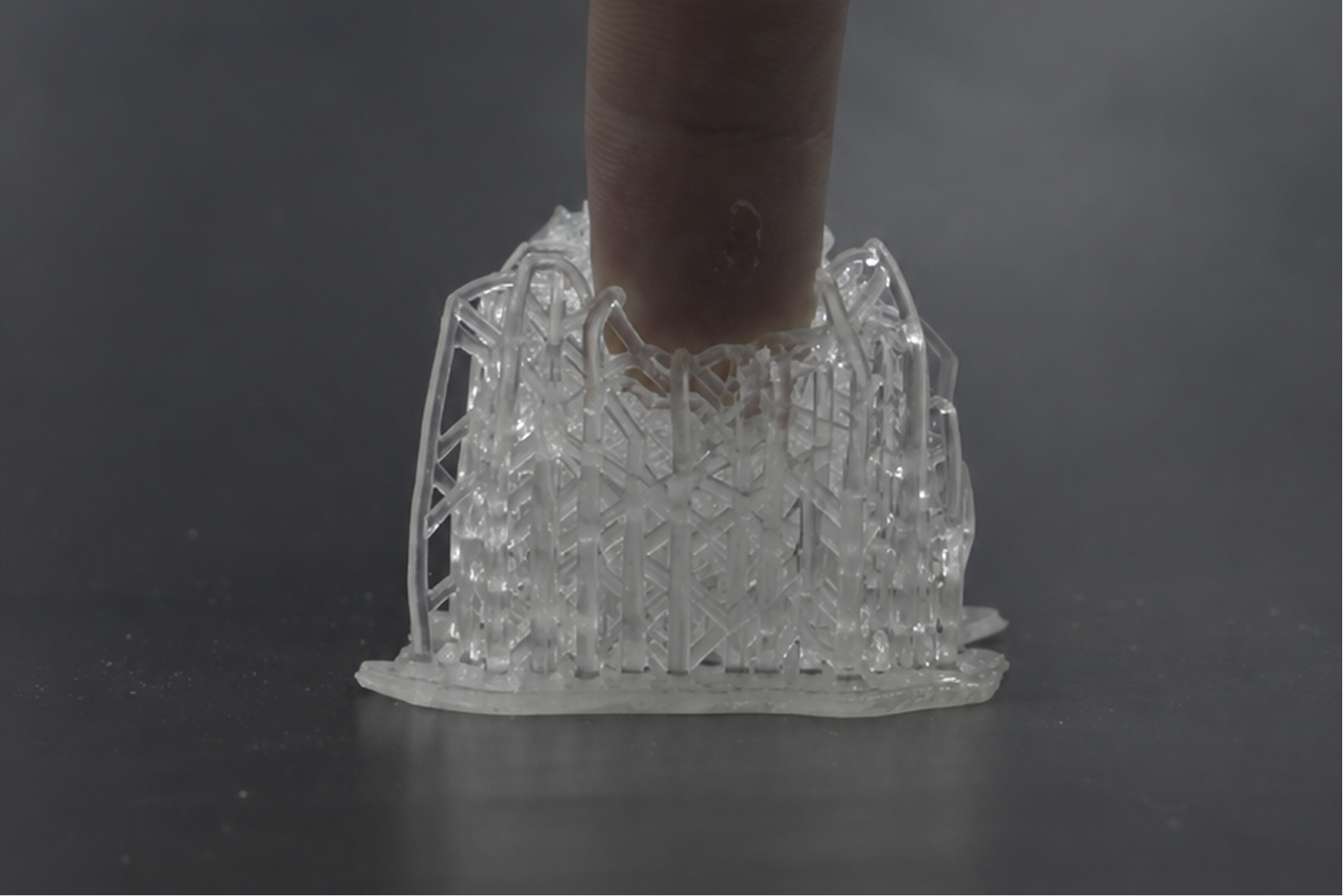
This research was conducted within the [Institute for Future Technologies (IFT)](https://ift.devinci.fr/) at De Vinci. IFT describes itself as a lab studio embedded in education, where students and researchers explore new forms of inquiry at the intersection of technology, human experience, and the natural world. I explored how architected materials could be designed to absorb shocks by controlling their geometry rather than relying on a solid material alone. The project focused on two complementary lattice approaches: hybrid TPMS structures and re-entrant honeycombs.  ## Generative Design Using [PicoGK](https://leap71.com/picogk/), a voxel-based geometry kernel for C#, I built a procedural workflow to generate and vary the structures. One design track explored hybrid TPMS geometries combining a Schwarz network with Diamond sheet surfaces. The other investigated re-entrant honeycomb lattices, whose geometry can produce auxetic behavior and distinctive deformation under compression. Across both approaches, I studied how geometric parameters shape stiffness, deformation, and energy absorption, with the goal of finding structures suited to impact and shock mitigation. ## Prototyping and Validation I first manufactured the geometries on a Formlabs Fuse 1+ using SLS Nylon 12. These prints helped validate the designs and their manufacturability. I then produced the functional test samples in TPU using SLS, to investigate the response of a more flexible material under compression and impact. ## Potential Applications The longer-term application areas I considered were protective or bullet-resistant jacket components, cushioning for beds and pillows, and energy-absorbing elements in running shoes. These were design targets for exploring the potential of the structures, rather than finished products.
Smart Lock
Sep 2025
Also listed in: Software
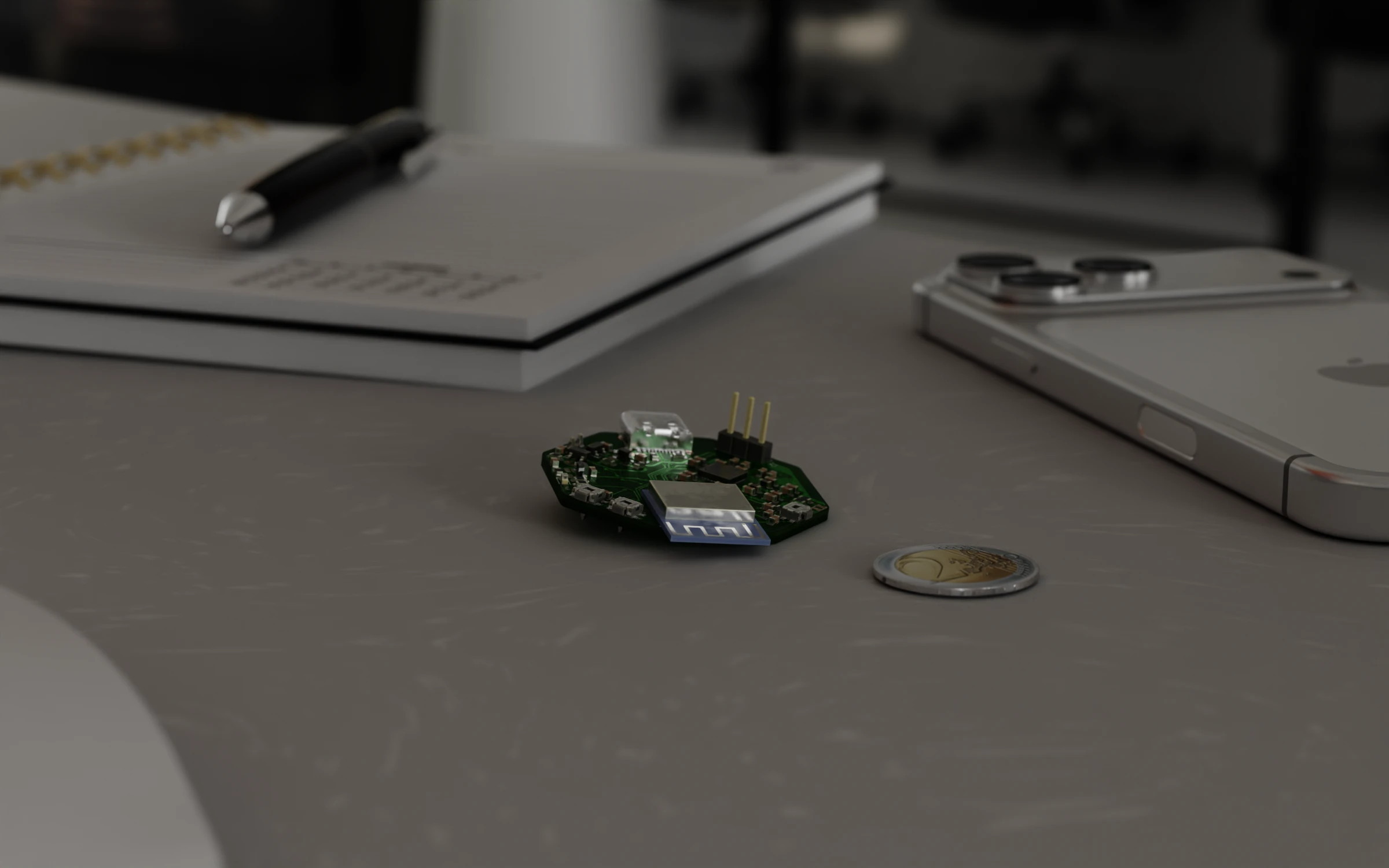
A NFC and Wifi enabled smart lock designed to secure the locker of DaVinciBot, without the need for code, and working with the students card of our members. The lock is designed to be easily installable on any locker and provides a secure and convenient way for members to access the materials offered by DaVinciBot. It can work unplugged from the wall for up to 6 months, with a 9v LiPo battery and a battery optimised firmware, it fetch the authorized user from the Association Database, that can be edited on the DaVinciBot website, and unlock the locker if the user is authorized. ## My Role I led the project end-to-end, from initial concept to final deployment, with support at the end for the mechanical design and integration, in order to teach the new members of DaVinciBot the process of designing and building a complete hardware product: - Hardware design and prototyping (KiCAD) - Analog circuit design (mixed circuit, antenna matching) - Firmware development (C++ on ESP32-C3) - Mechanical integration and 3D modeling (SOLIDWORKS for CAD, Blender for 3D rendering) - Testing, iteration, and deployment in the locker room
French Robotic cup
May 2025 - Jun 2026
Also listed in: Mechanical / Management
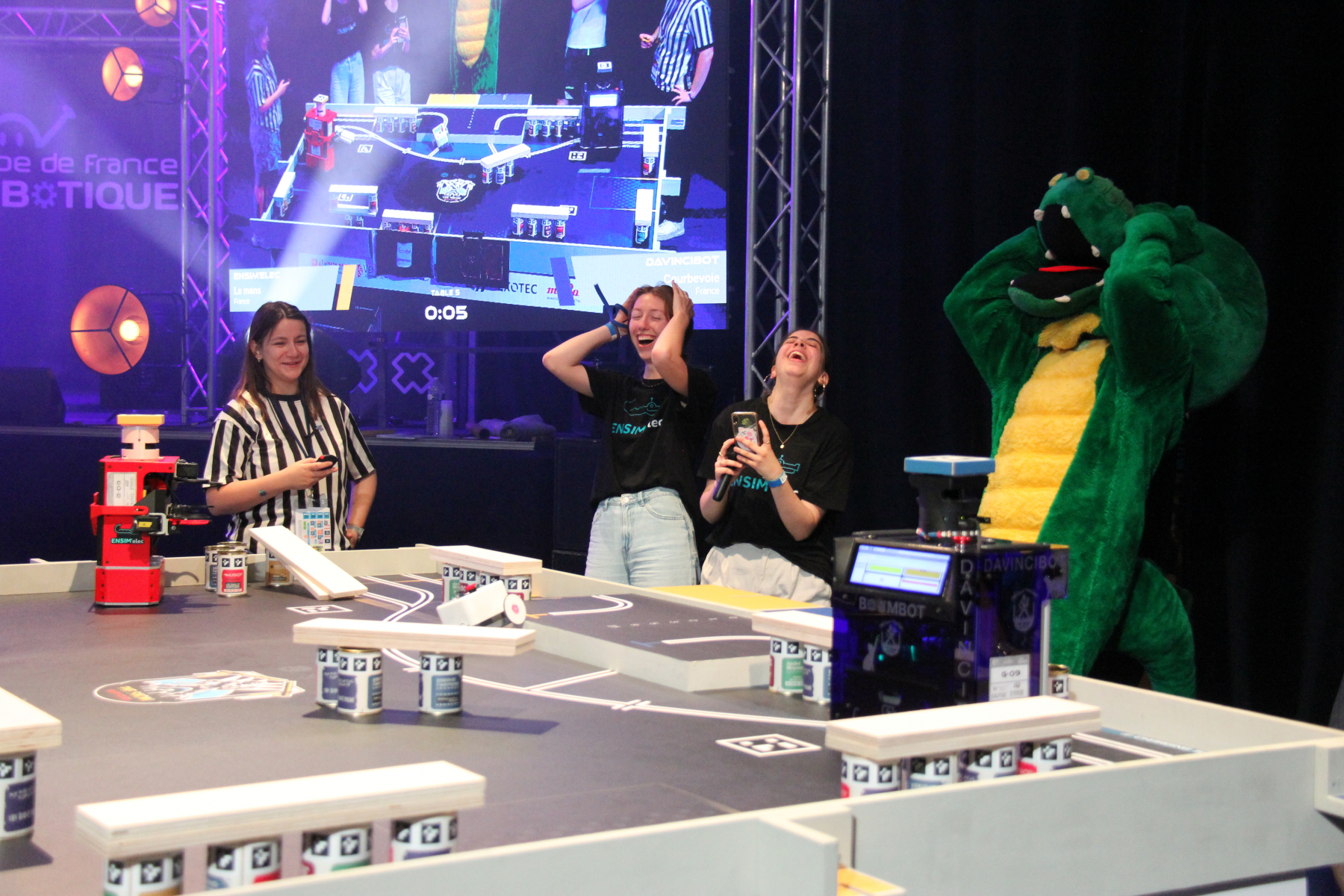
Designed and developed a fleet of autonomous robots for a european robotics competition involving 100+ teams and real-time matches. Led a 12-member multidisciplinary team while contributing to embedded systems, communication architecture, and decision-making algorithms. 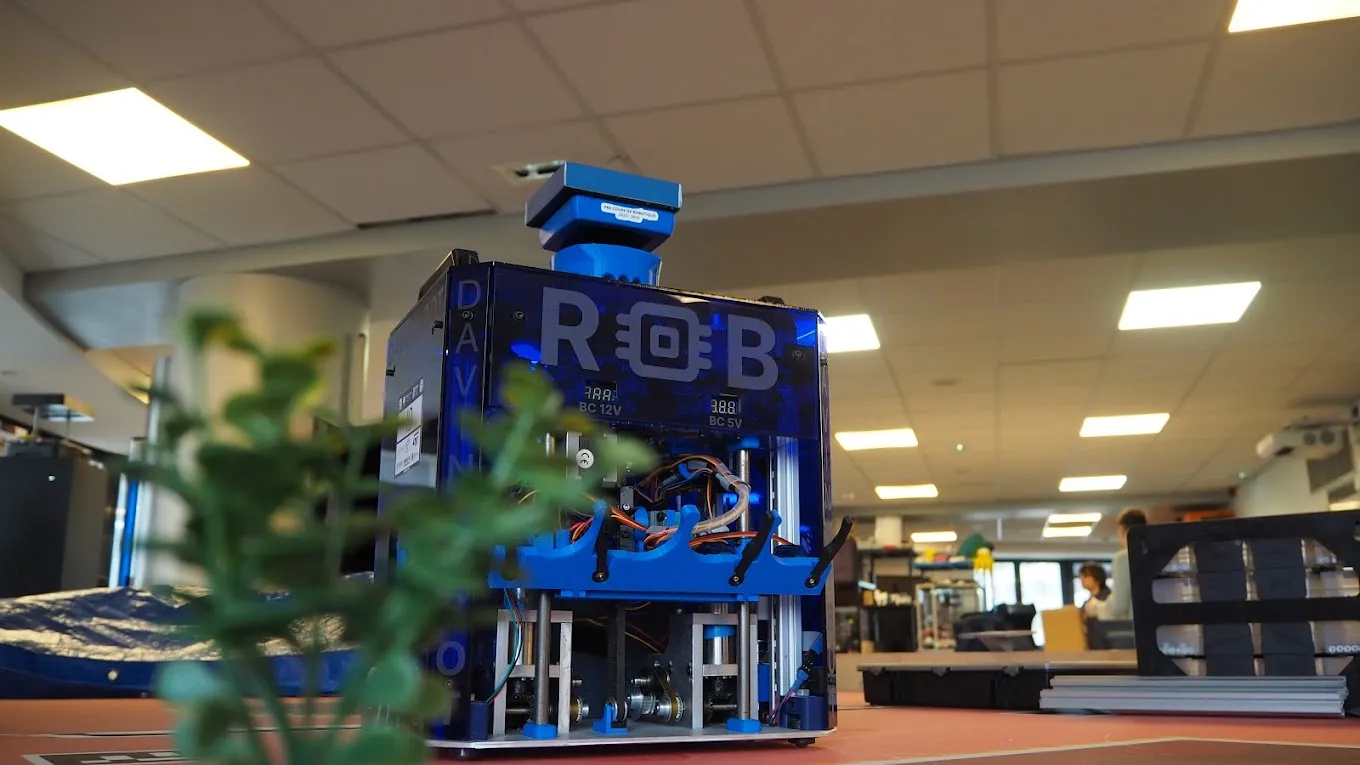 ### Problem & Objectives The French Robotic Cup is a yearly engineering competition where fully autonomous robots compete in 100-second matches under strict constraints (no remote control, dynamic environment, evolving rules each year). Key challenges: - Build a fully custom autonomous system (LiDAR, decision-making, actuation) - Ensure robust communication in a highly noisy environment (100+ robots operating simultaneously, whether on the match or the padocks) - Coordinate multiple robots acting as a system, not individually - Deliver a competition-ready robot before deadline, enabling full system testing Objective: Develop a reliable, competitive robotic system capable of executing a full match strategy autonomously and consistently. ### My Contributions #### Technical (Embedded & Systems): - Designed a custom inter-board communication protocol (“Intercom”) - Implemented parts of the robot position control system (closed-loop control) - Contributed to decision-making algorithms governing robot behavior during matches - Developed low-frequency wireless communication (LoRa, ~400 MHz) for multi-robot coordination - Programmed autonomous robots in C/C++ on custom ESP32-S3 PCBs 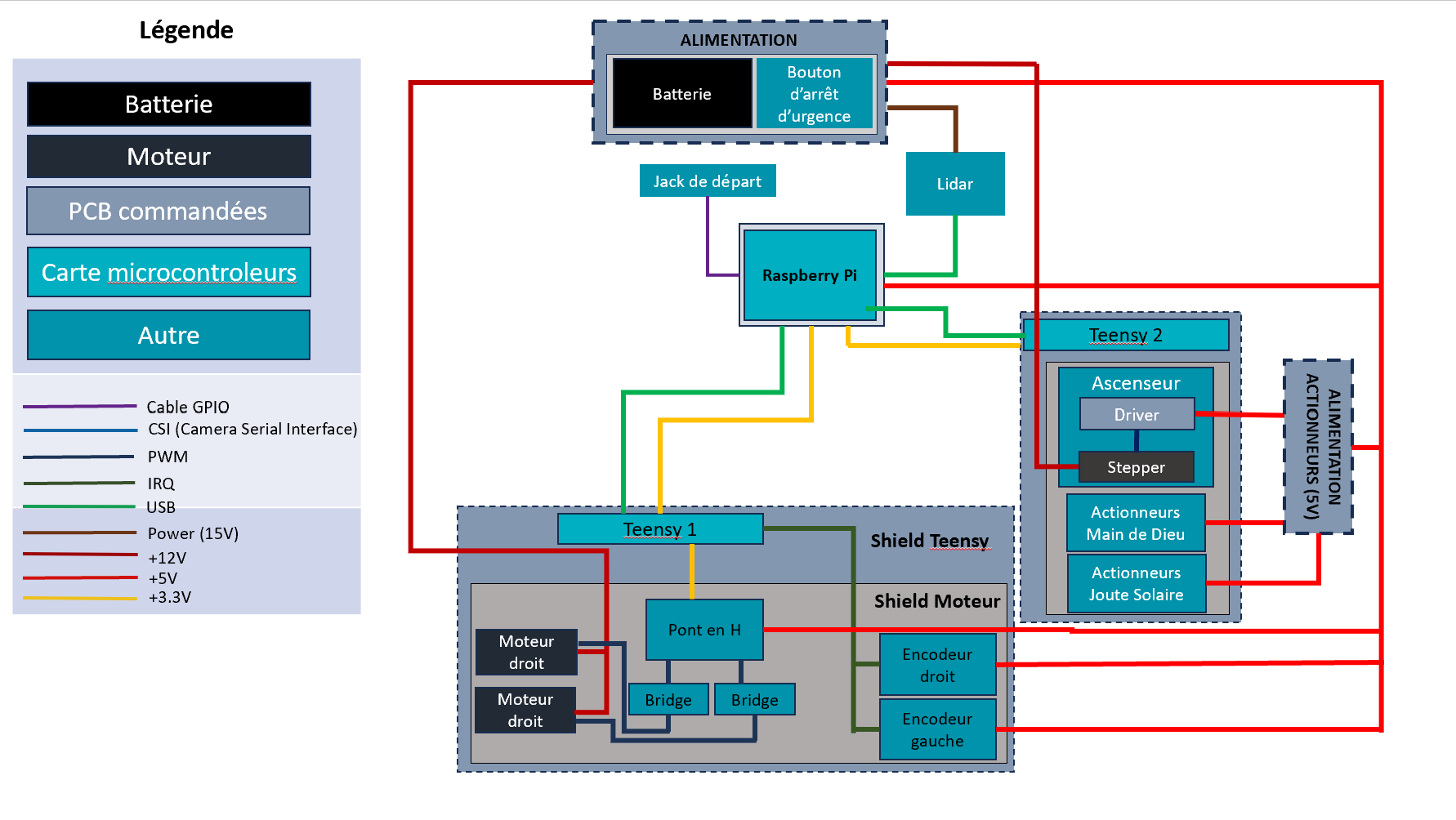 #### System Architecture: - Designed communication enabling coordinated multi-robot strategies - Ensured robustness against RF interference in a congested competition environment #### Project Management: - Led a team of 12 students, all of them more experienced/older - Structured the project lifecycle around Agile-based principles - Drove team motivation and alignment toward a shared competitive goal - Enforced early delivery milestones to enable earlier software integration 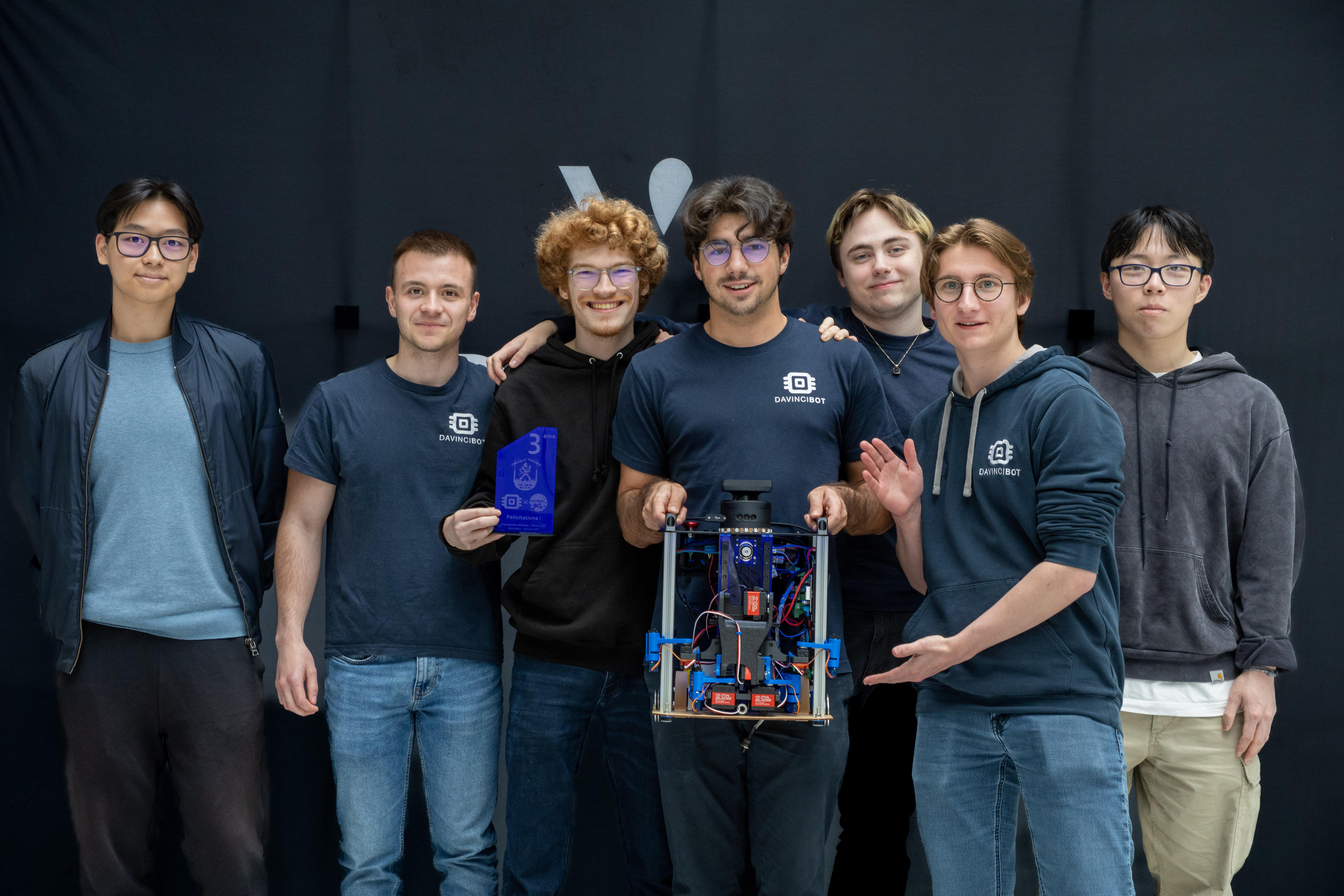 ### Approach & Technical Work The project involved building: - A main autonomous robot - Several secondary robots - A communication system allowing them to work together as a coordinated fleet The goal was not just to build robots, but to make them collaborate intelligently in real time. ### Technical Breakdown #### Embedded Systems & Control Microcontrollers: ESP32-S3 (custom PCB) Languages: C / C++ Implemented position control (closed-loop control): Sensor feedback → error computation → motor correction Ensures precise movement under dynamic conditions #### Communication Architecture - Designed a custom protocol (Intercom) for inter-board communication, in Python and C++ - Implemented LoRa-based communication (~400 MHz): + Lower frequency → better penetration and reduced interference + Critical in an environment with dozens of competing RF systems #### Multi-Robot Coordination Distributed architecture: - Each robot operates autonomously - Shared information (LiDAR data) enables coordinated actions and improves situational awareness and pathplanning - Enabled task distribution and synchronization across robots #### Decision-Making System Designed logic for: - Action prioritization - Match strategy execution - Real-time adaptation to the opponent during the 100-second match You can find more details on the [official documentation website](https://docs.davincibot.fr/cdr/paris/2026/intro)